.png?lang=en-US "Benton-PUD-Website-Logo-June-2024-(1).png")
It’s obvious lightning can unleash damaging amounts of electrical energy, but did you know the simple act of flipping a switch can cause a burst of electricity that might damage electronic equipment and appliances? It’s true! A surge is a big deal and is like a pressure wave of electricity that flows through wires and into devices. It happens very quickly—anywhere from microseconds to a few milliseconds, which is less than a blink! Sensitive components associated with electronic devices are designed to operate within narrow voltage (electrical pressure) tolerances. While consumer electronics—from televisions to refrigerators—may have some level of protection built in, if voltage levels surge beyond prescribed limits, screens can go dark, and appliances may stop working altogether. Let’s break it down and learn how YOU can help protect your investment in the things you count on every day to make your life easier and more enjoyable.
The best way to protect your home and electronics is a properly grounded electrical system combined with a whole home surge protector and quality multi-outlet protection for sensitive equipment.
Surge protectors are the most common devices used to shield electronics from potentially damaging energy associated with voltage surges. Some are the familiar power strips you plug into the wall, while others are installed directly into your home’s main electrical panel to help protect all your devices at once.
But as the old saying goes, you get what you pay for when it comes to surge protectors, so it’s important to recognize how much surge energy the device you are purchasing can absorb without failing.
Multi-Outlet Surge Protection for Sensitive Electronics & Appliances
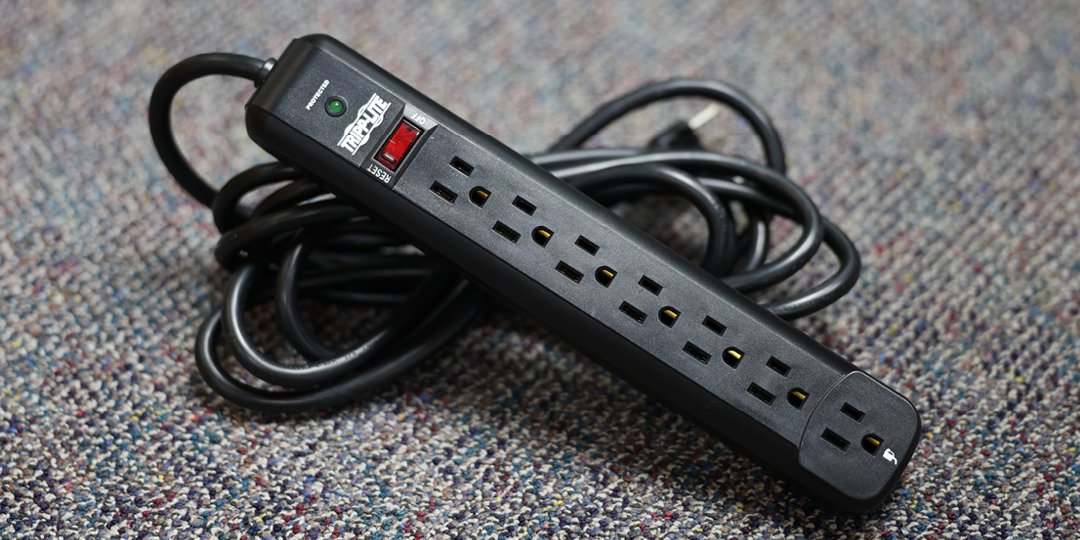
Add a layer of surge protection by using plug-in surge protectors for electronics like computers, TVs, game consoles, and home office equipment and appliances like refrigerators, washers, dryers, and ovens. These devices help absorb smaller, everyday surges created by appliances turning on and off inside the home.
Learn More About Multi-Outlet SPDs
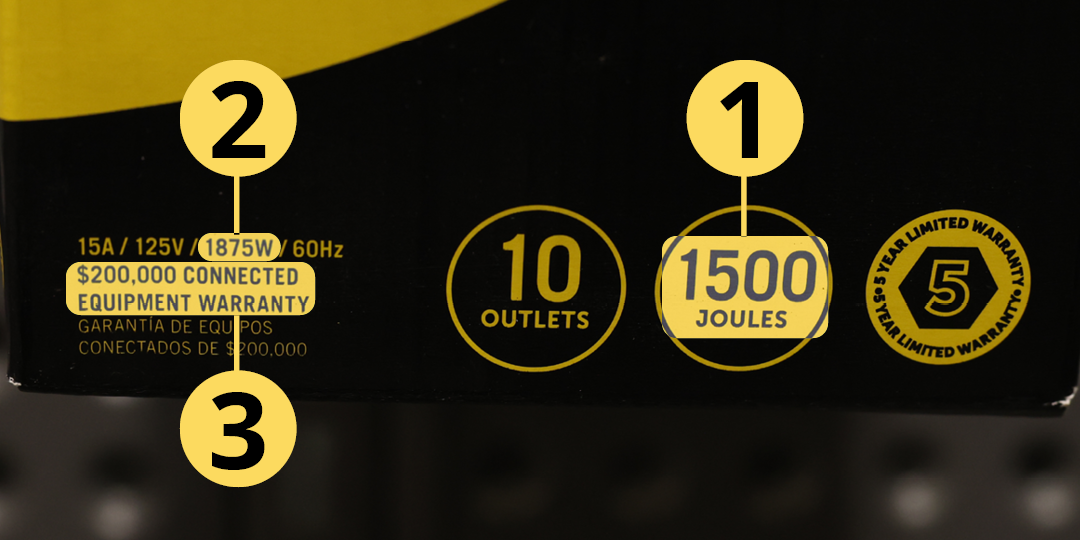
What to Look For*
(1) Joules
What it Means:
Indicates how much surge energy the protector can absorb before it fails.
Why it Matters:
Surge protectors don't last forever. Every surge event wears them down until they need to be replaced.
Protection Range: 600 - 3000 (better protection)
(2) W (Watts Rating)
What it Means:
Maximum total power load.
Why it Matters:
Exceeding the rated wattage (1,875W in this example) by plugging in too many or too powerful devices can cause overheating, equipment damage, or tripped breakers.
Protection Range: 1200W - 2500W (better protection)
(3) Warranty
What it Means:
Manufacturer promises to repair or replace connected devices if they are damaged by a surge and all warranty conditions are met.
Why it Matters:
This is a conditional warranty, not automatic insurance.
Protection Range: $10,000 - $200,000
Whole Home Surge Protection
Installing a surge protection device (SPD) at your main electrical panel is the strongest first line of defense. A whole-home SPD helps reduce large, external surges before they reach the wiring inside your home. Many electricians can install this type of protection, and some modern panels can even accept built-in surge modules.
- UL (Underwriters Laboratories) certification is important to look for when purchasing a surge protector and means your SPD meets strict safety standards.
- Not all ratings are represented on all devices at your local retailer. Devices shown are only a sample of what you might find when shopping.
- Prices may vary but generally the more you pay the better and/or longer the protection of the device.
- Whole Home SPDs come in many different types and you may need a qualified electrician to help you decide which one you need.
- Your type of electrical panel may direct your purchase and what whole home protector you use.
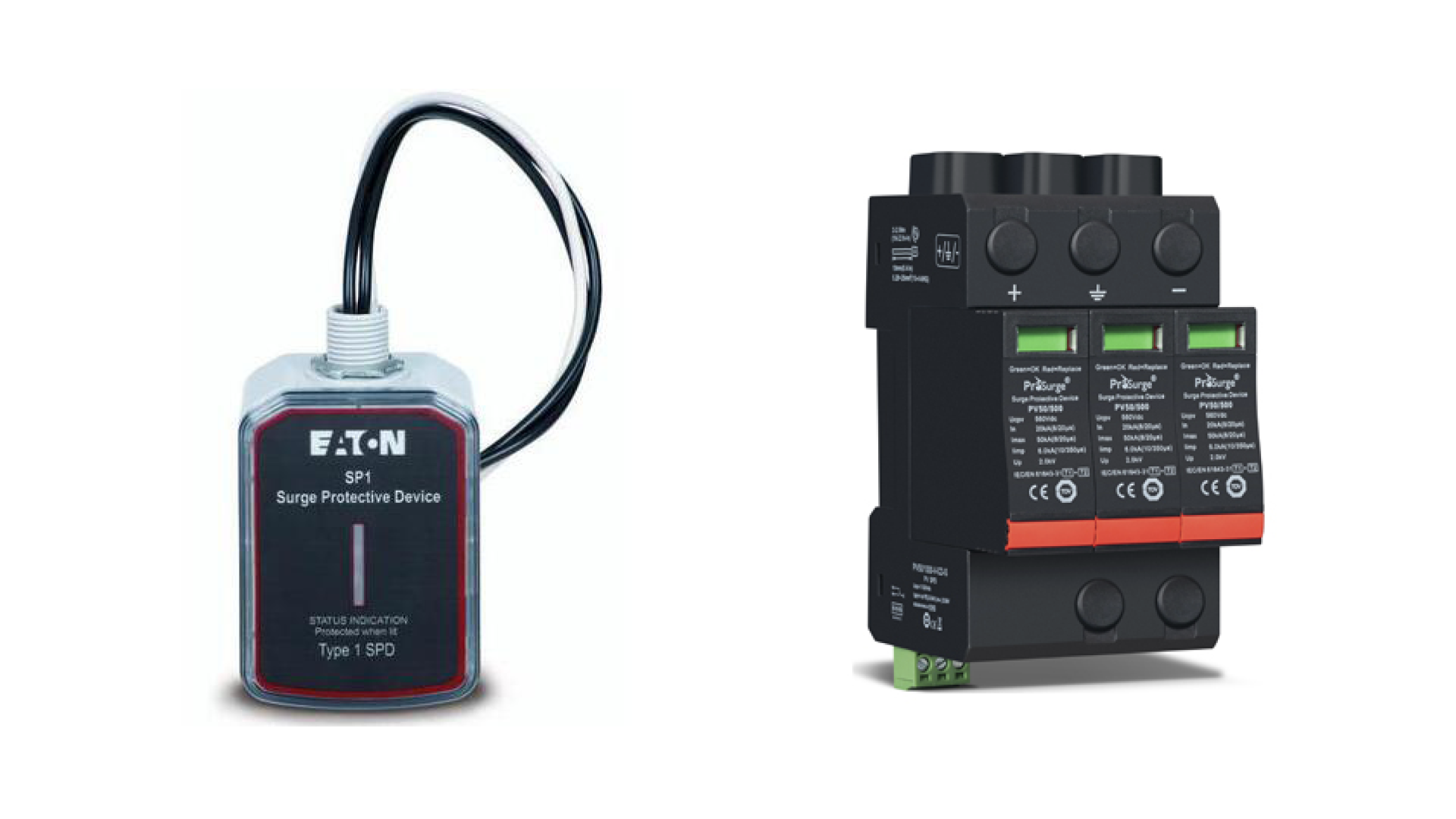
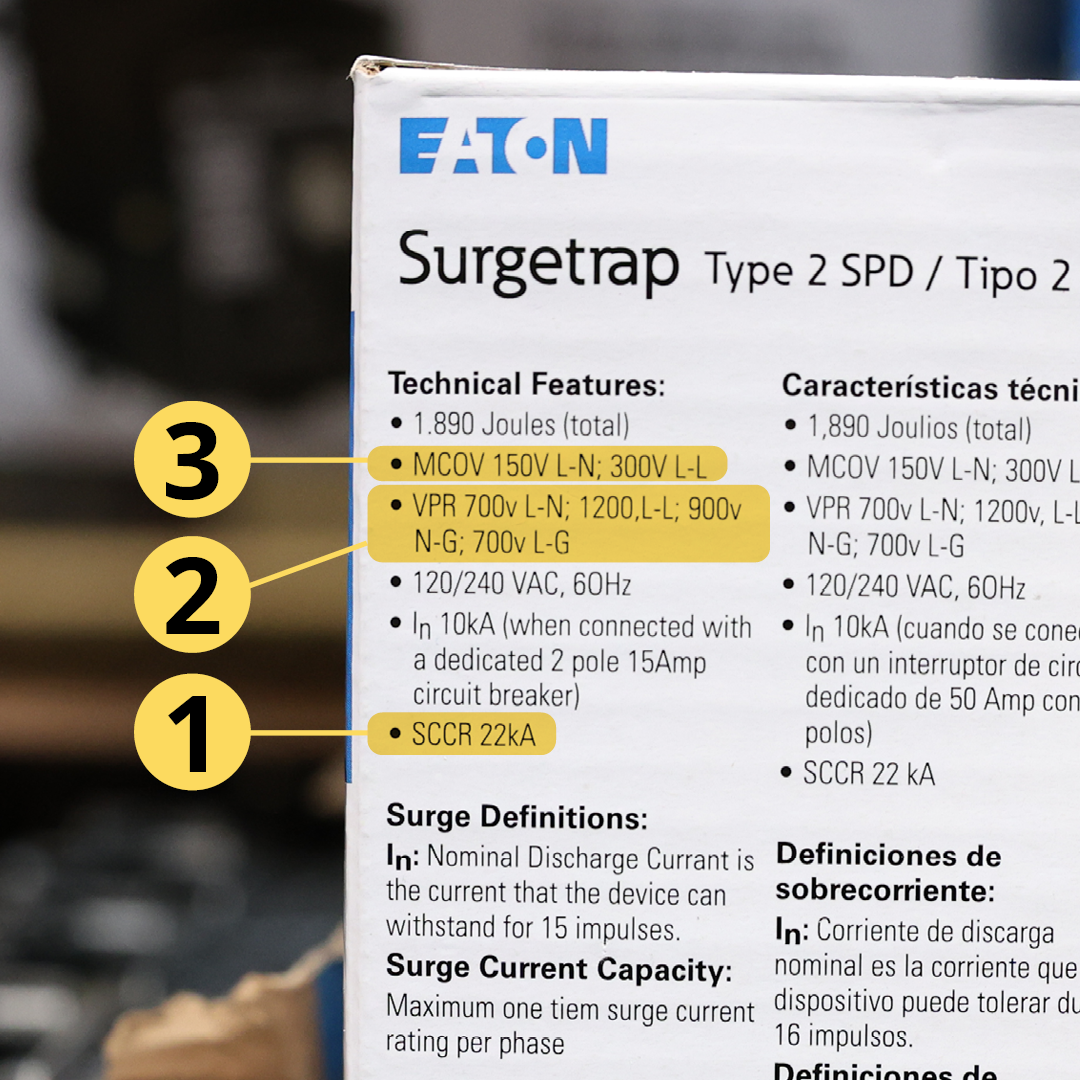
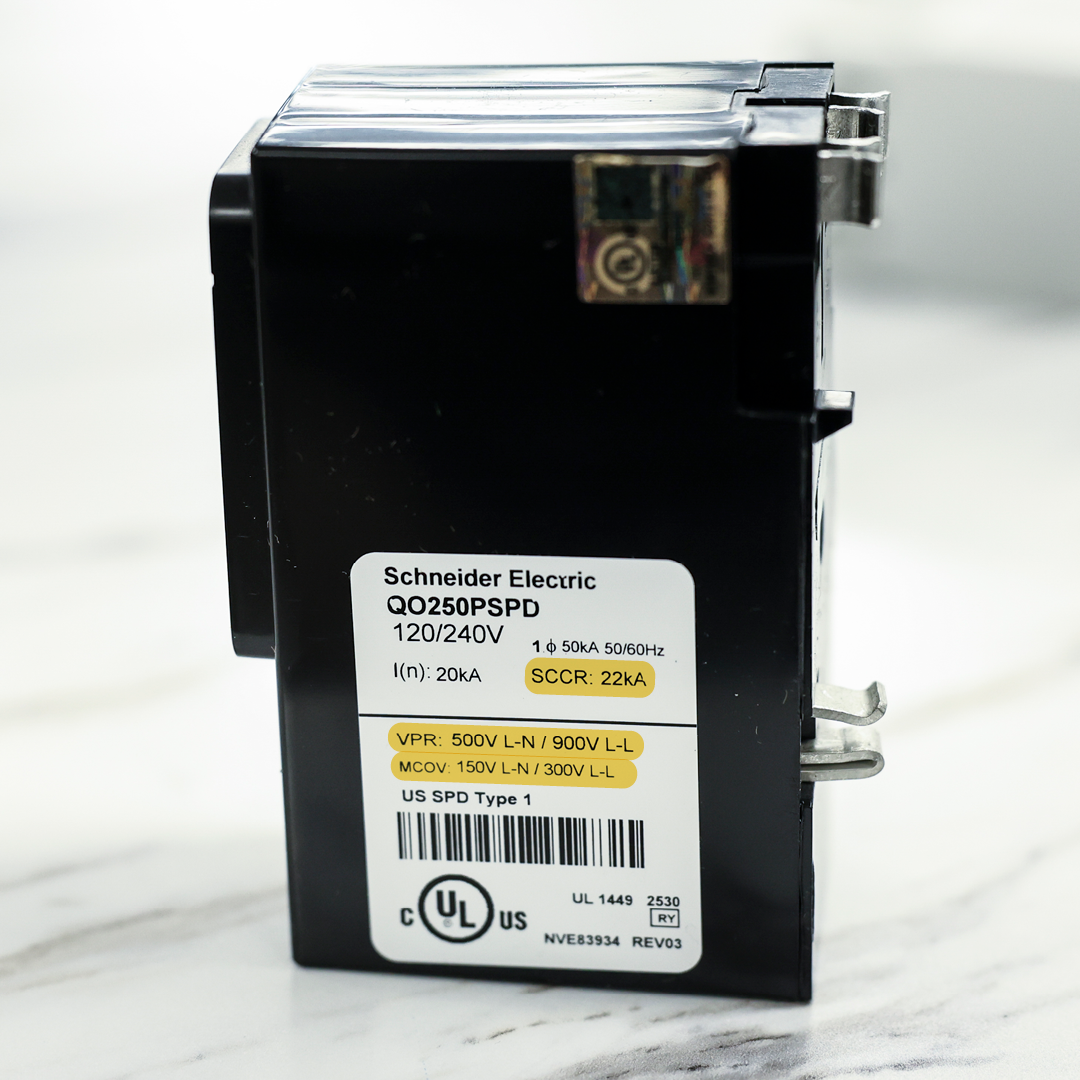
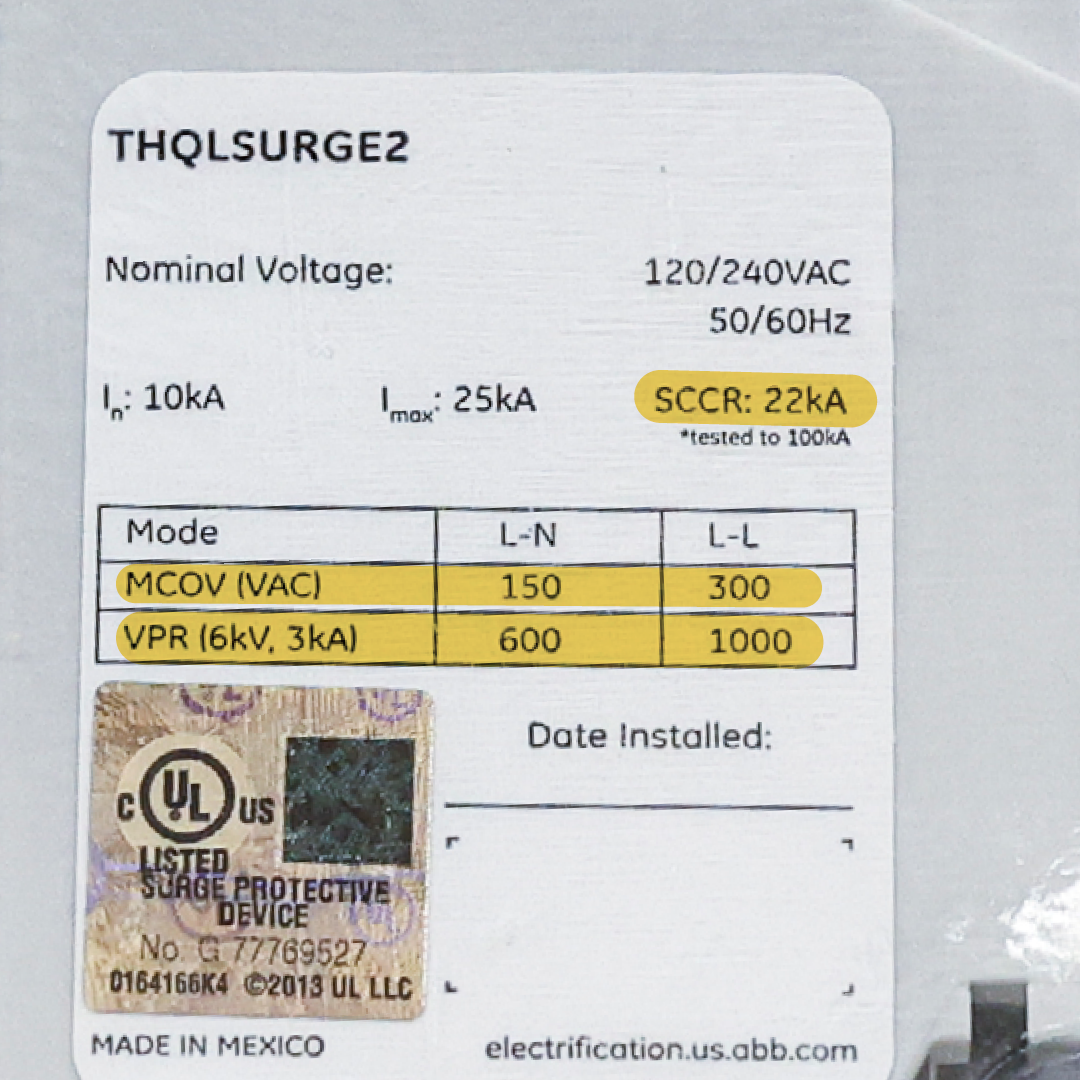
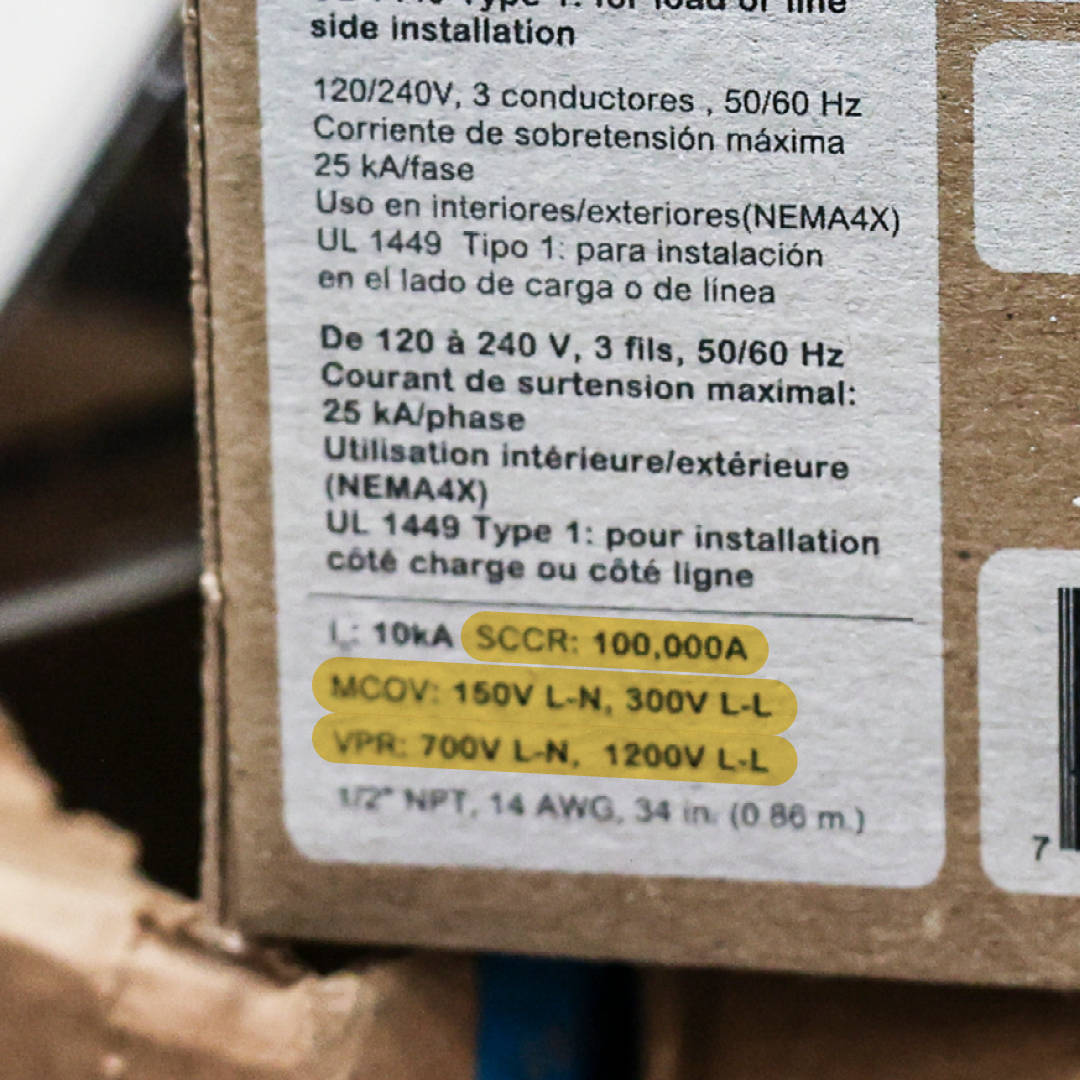
What to Look For*
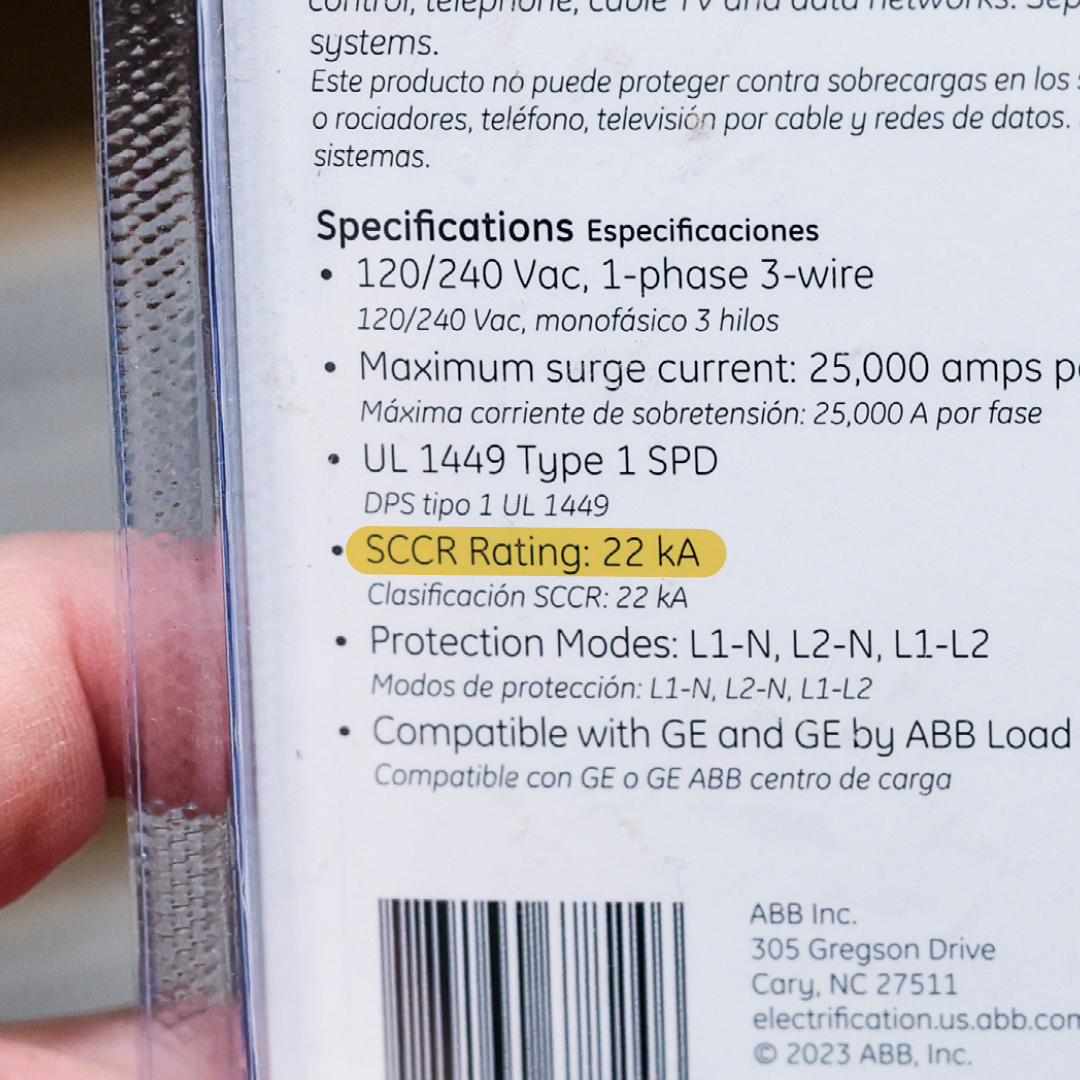
(1) SCCR (Short Circuit Current Rating)
What it Means:
SCCR is how much worst-case electrical fault current the surge protector can safely handle without becoming dangerous.
Why it Matters:
This is the safety rating. In a rare but serious electrical fault (like a short circuit), the surge protector could be exposed to very high current.
Protection Range: 10kA - 80kA (better protection)
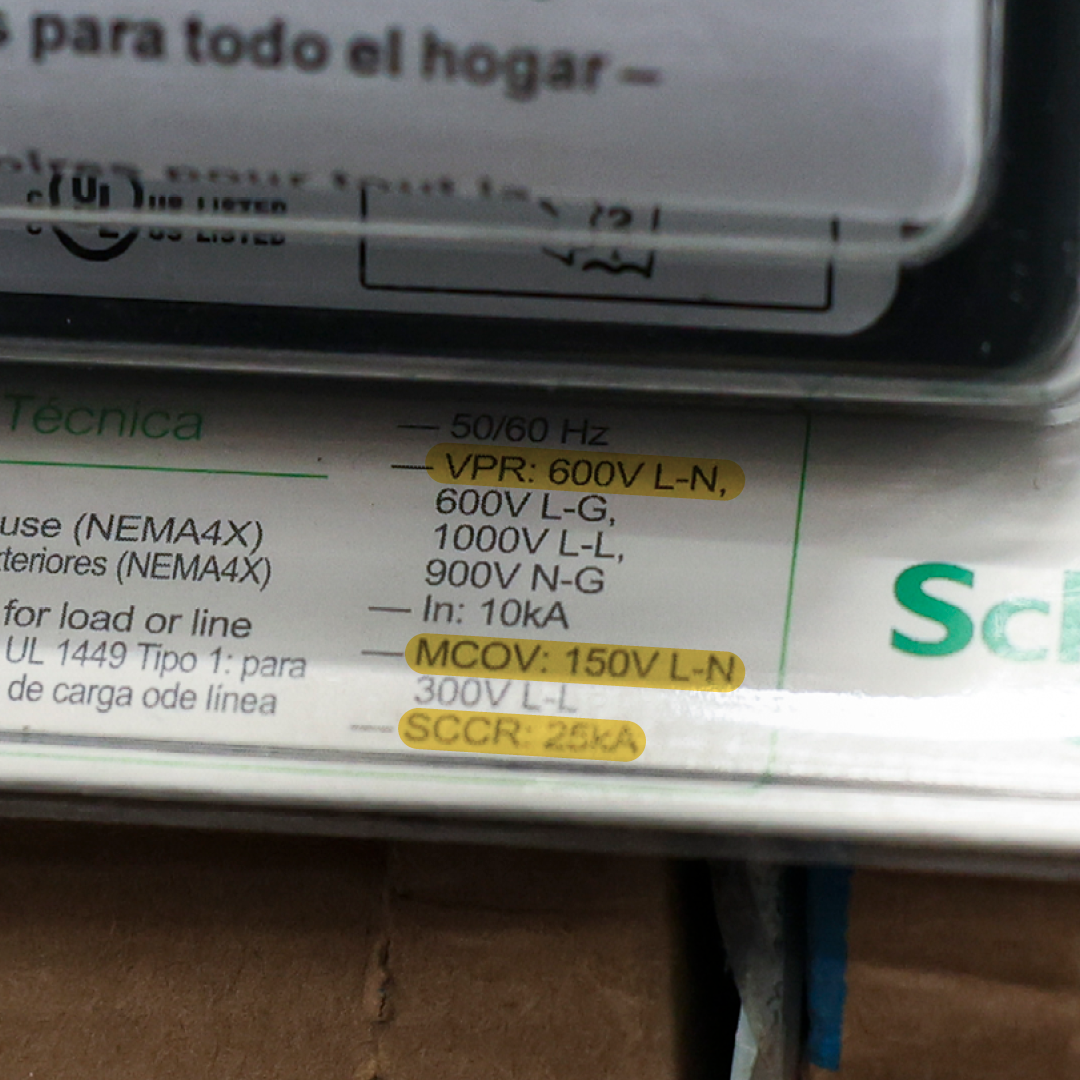
(2) VPR (Voltage Protection Rating)
What it Means:
The VPR shows how high the voltage spike can get before the surge protector "clamps" it down, also known as "clamping voltage".
Why it Matters:
Even with the surge protector, a spike may still reach the protected equipment. VPR tells you how much can get through.
Protection Range L-N (Line to Neutral): 1000 V - 500 V (better protection)
(3) MCOV (Maximum Continuous Operating Voltage)
What it Means:
MCOV is the highest voltage the surge protector can handle continuously without overheating or wearing out.
Why it Matters:
Power isn't always being delivered at "120V" or "240V", it naturally varies. If a surge protector's MCOV is too low for the system it can wear out, fail early, or trip offline more often.
Protection Range L-N (Line to Neutral): 130 V - 150 V (better protection)
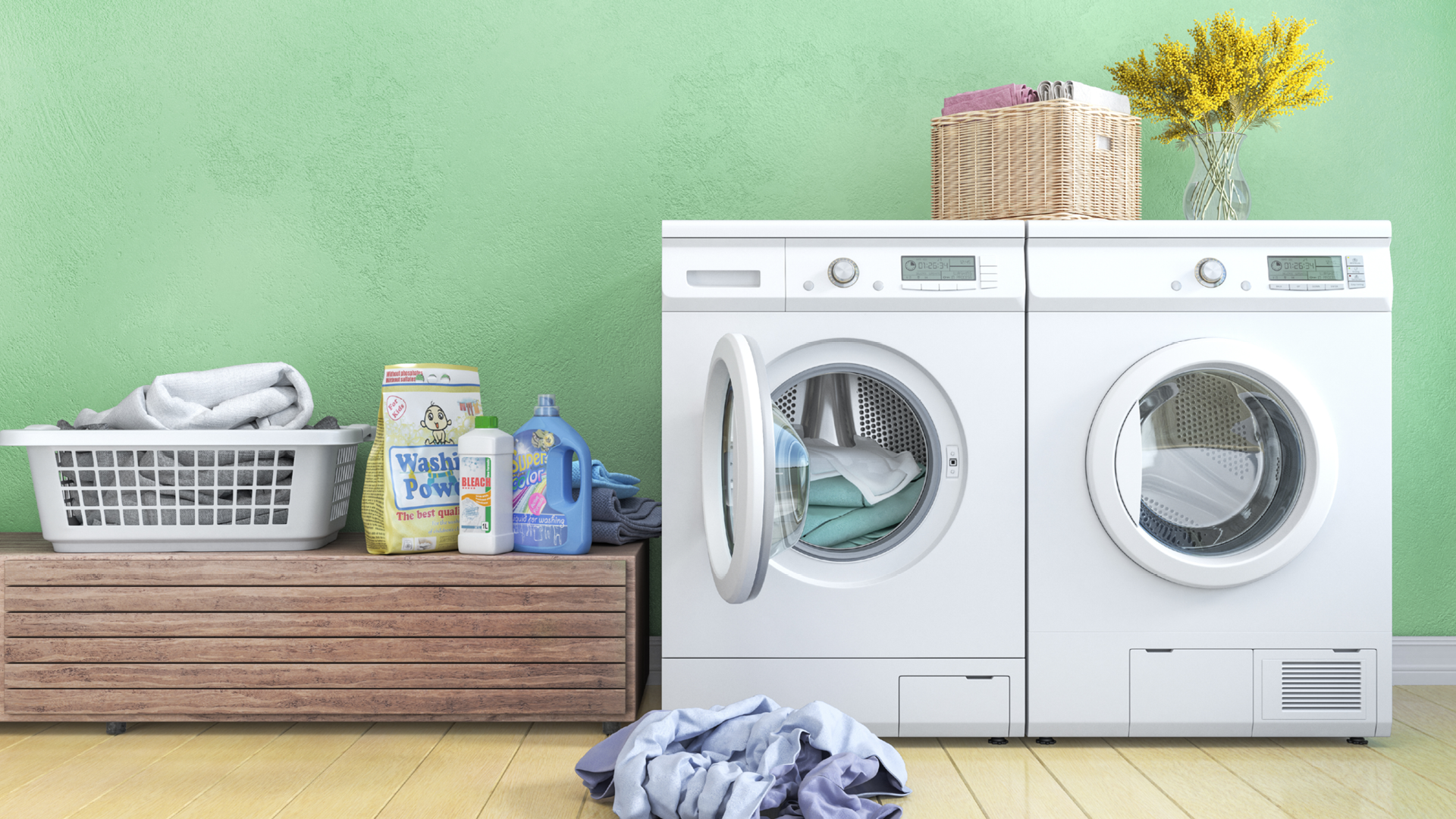
A surge can damage and reduce the lifespan of:
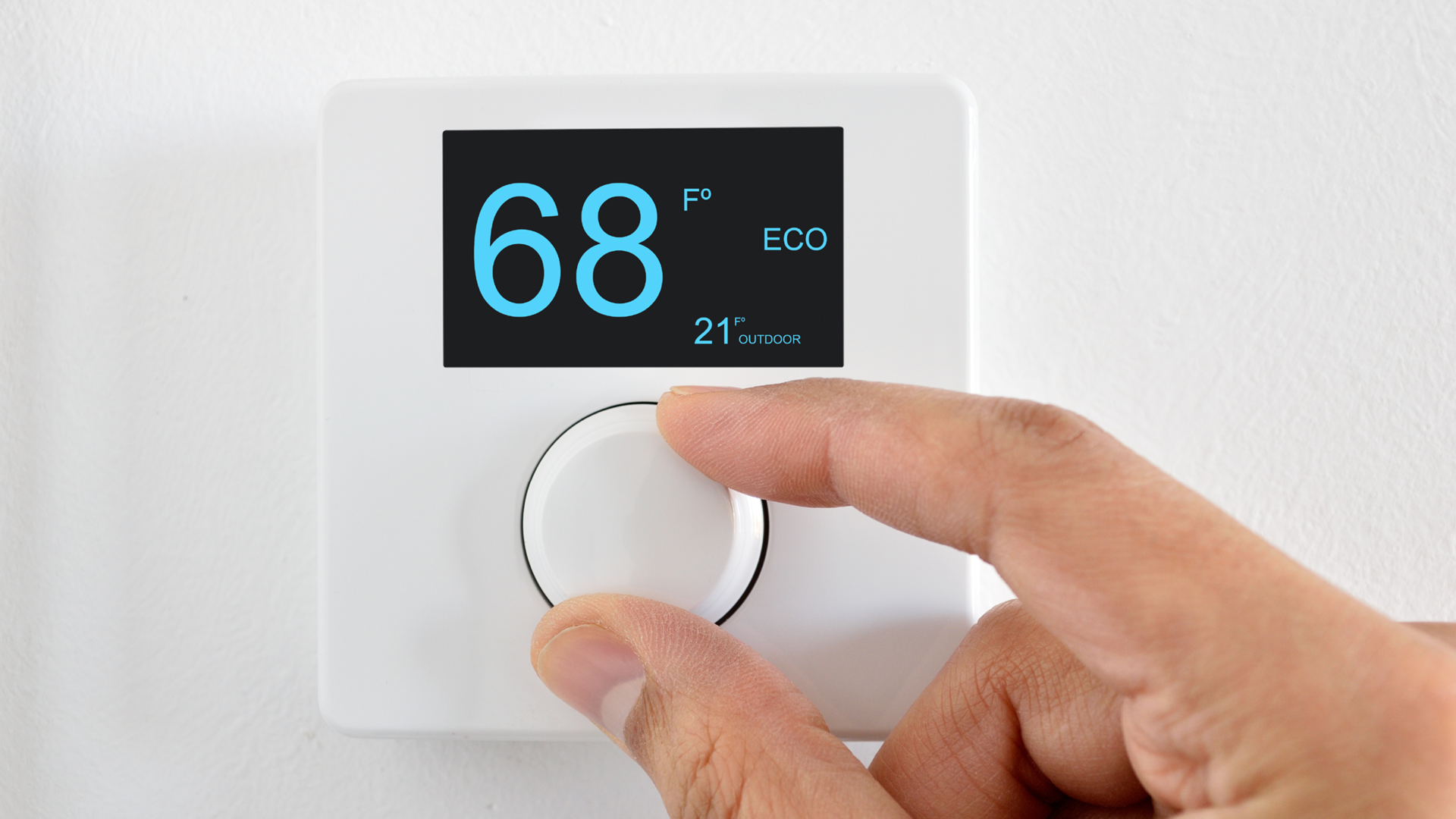
HVAC Systems
Electronic Appliance Controls
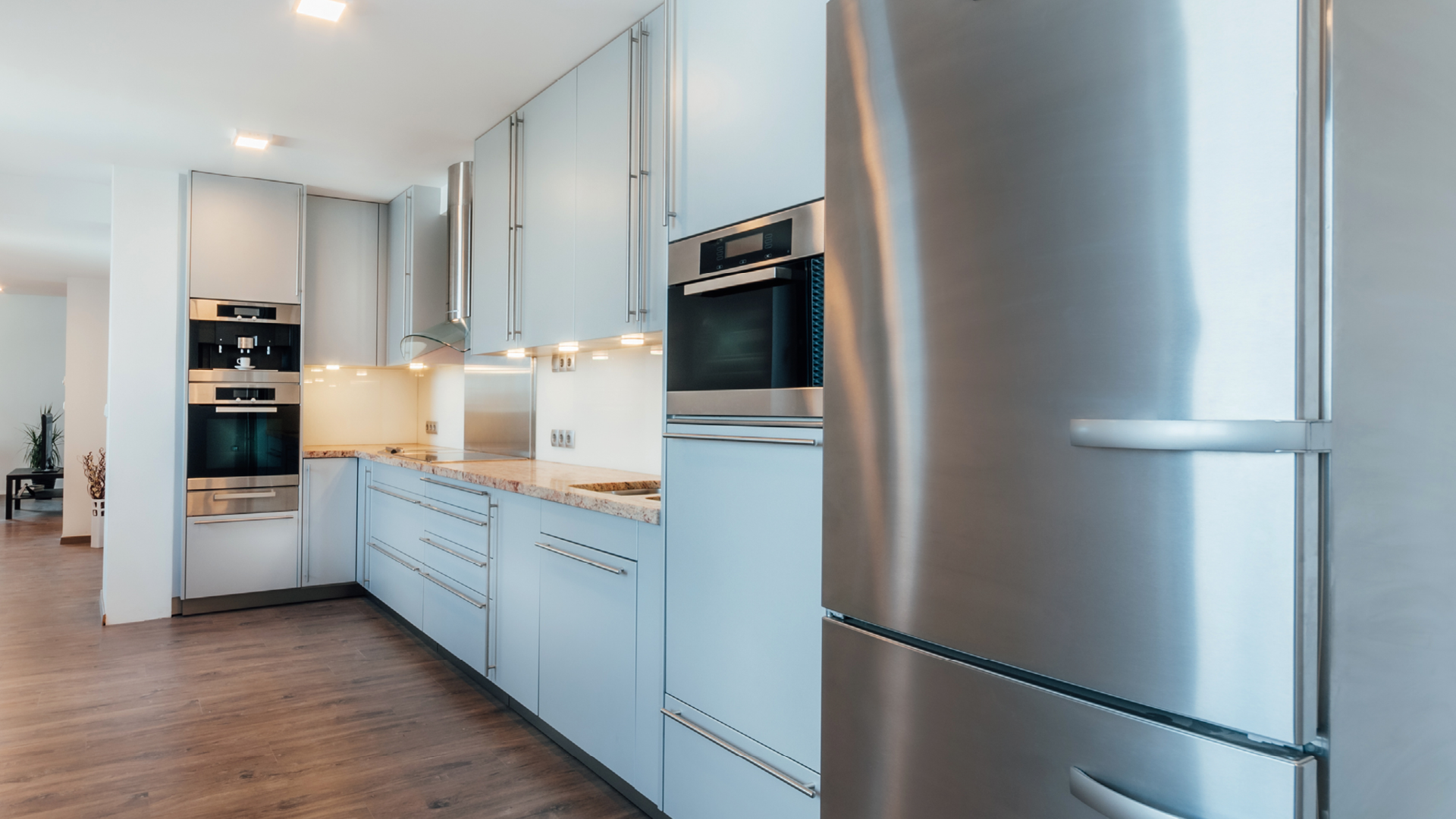
Ranges & Refrigerators

Home Office Equipment
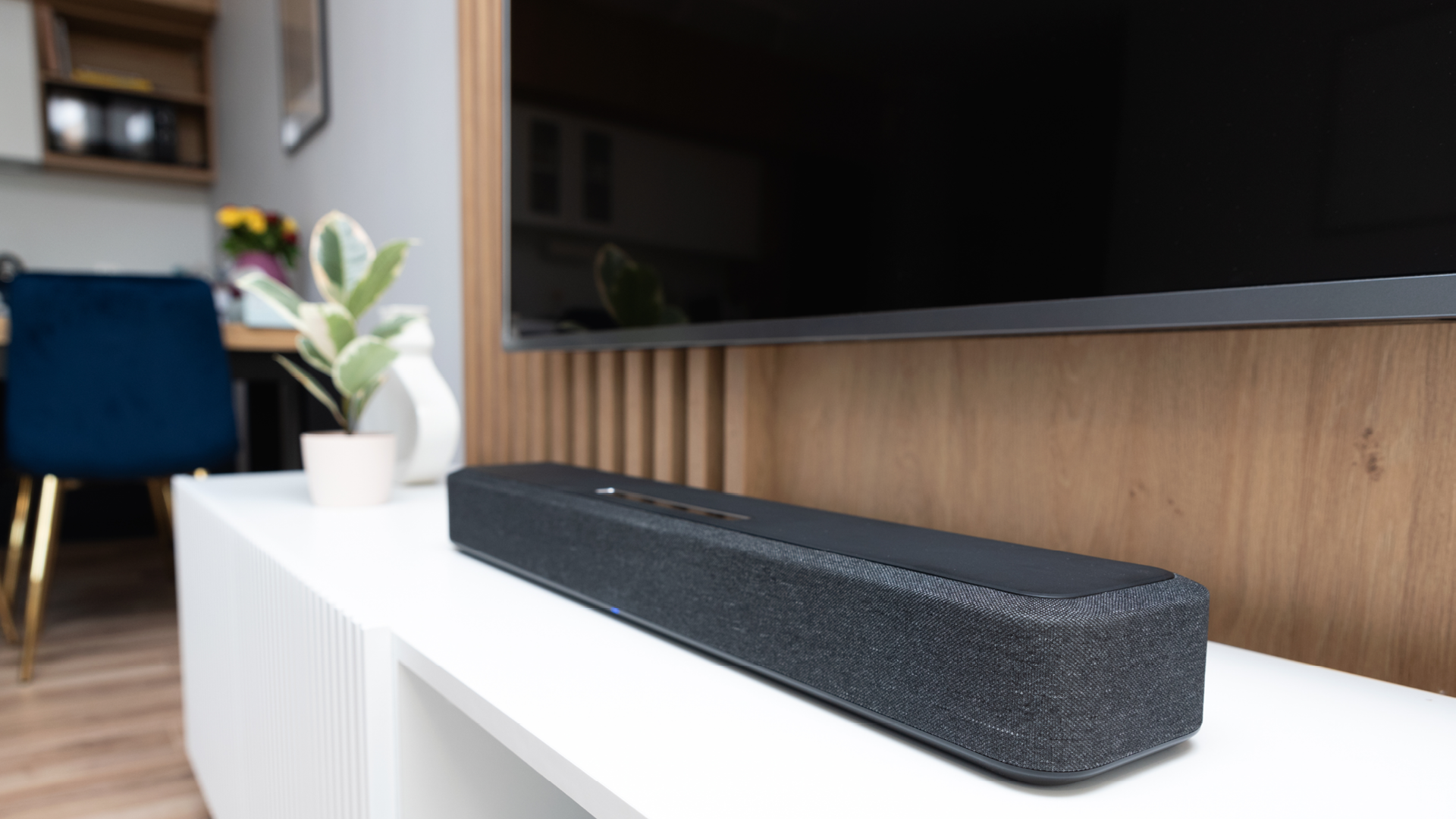
Entertainment Systems
According to the National Electrical Manufacturers Association, the average home has $15,000 worth of equipment that can be damaged by a surge.
What are the common causes of surge?
It is estimated that 80% of surges are caused by internal sources.
Internal
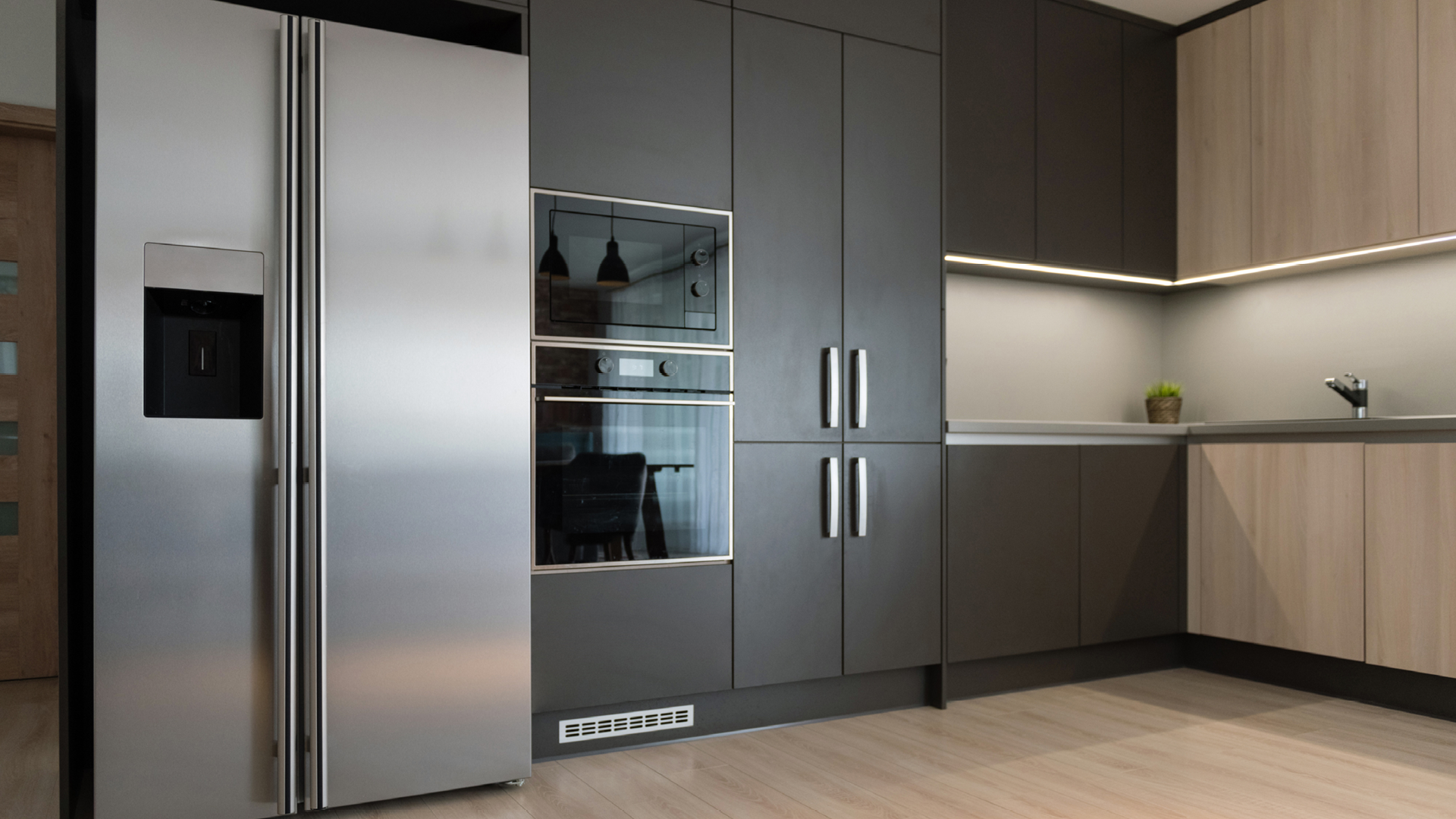
Large appliances turning on/off
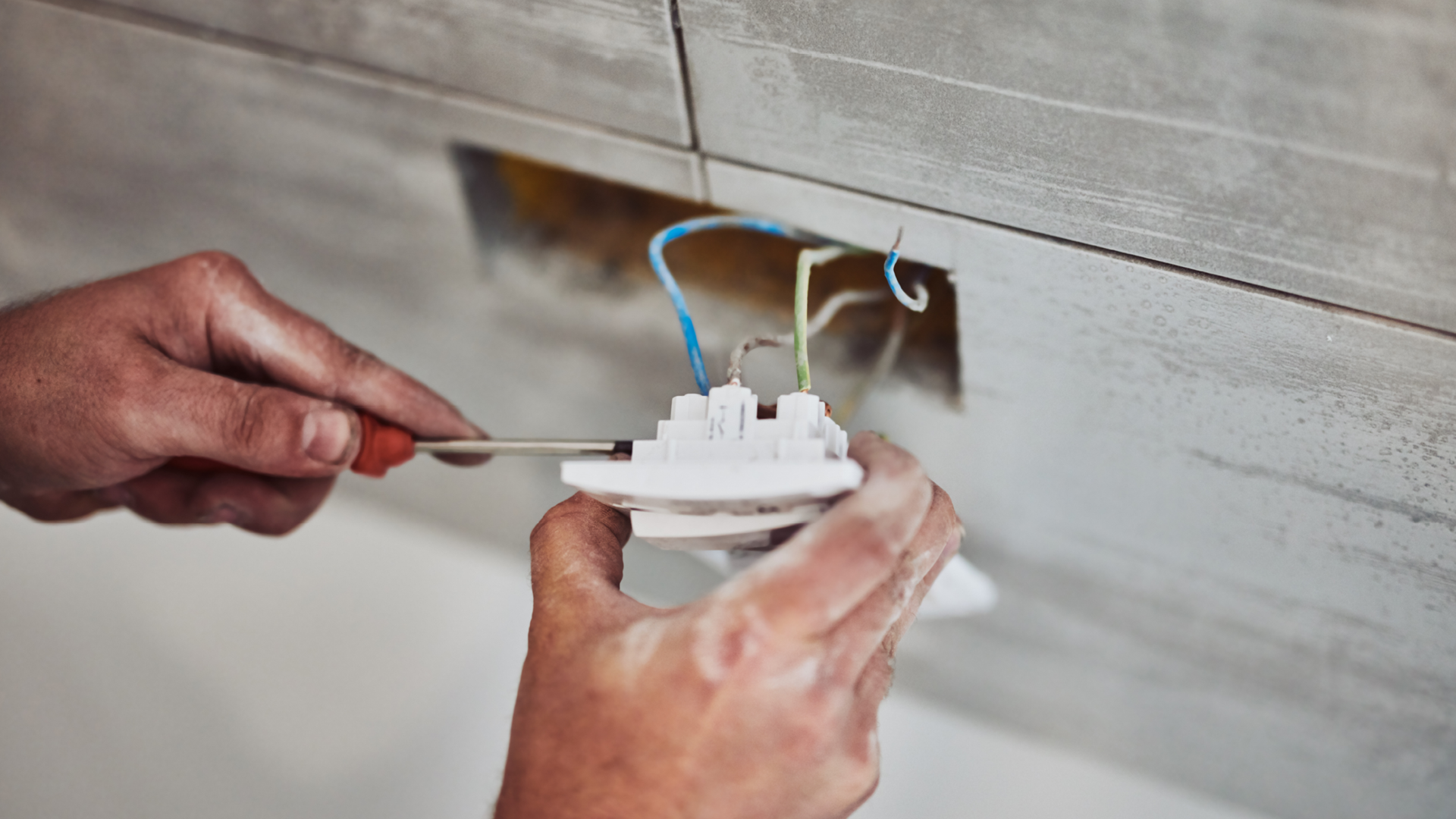
Faulty wiring or loose connections
I
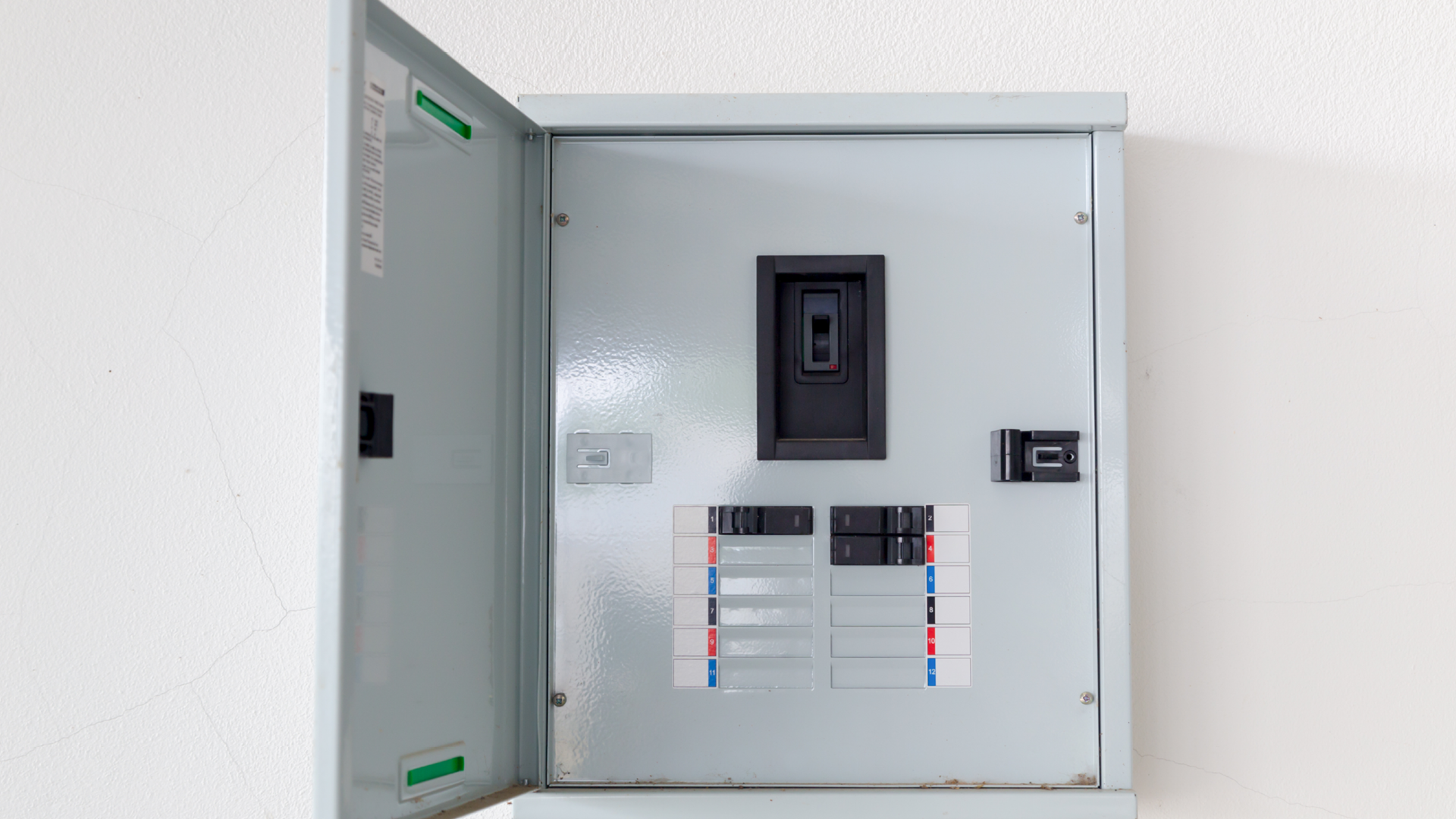
Overloaded & short circuits, or ground faults

Power recovery
External
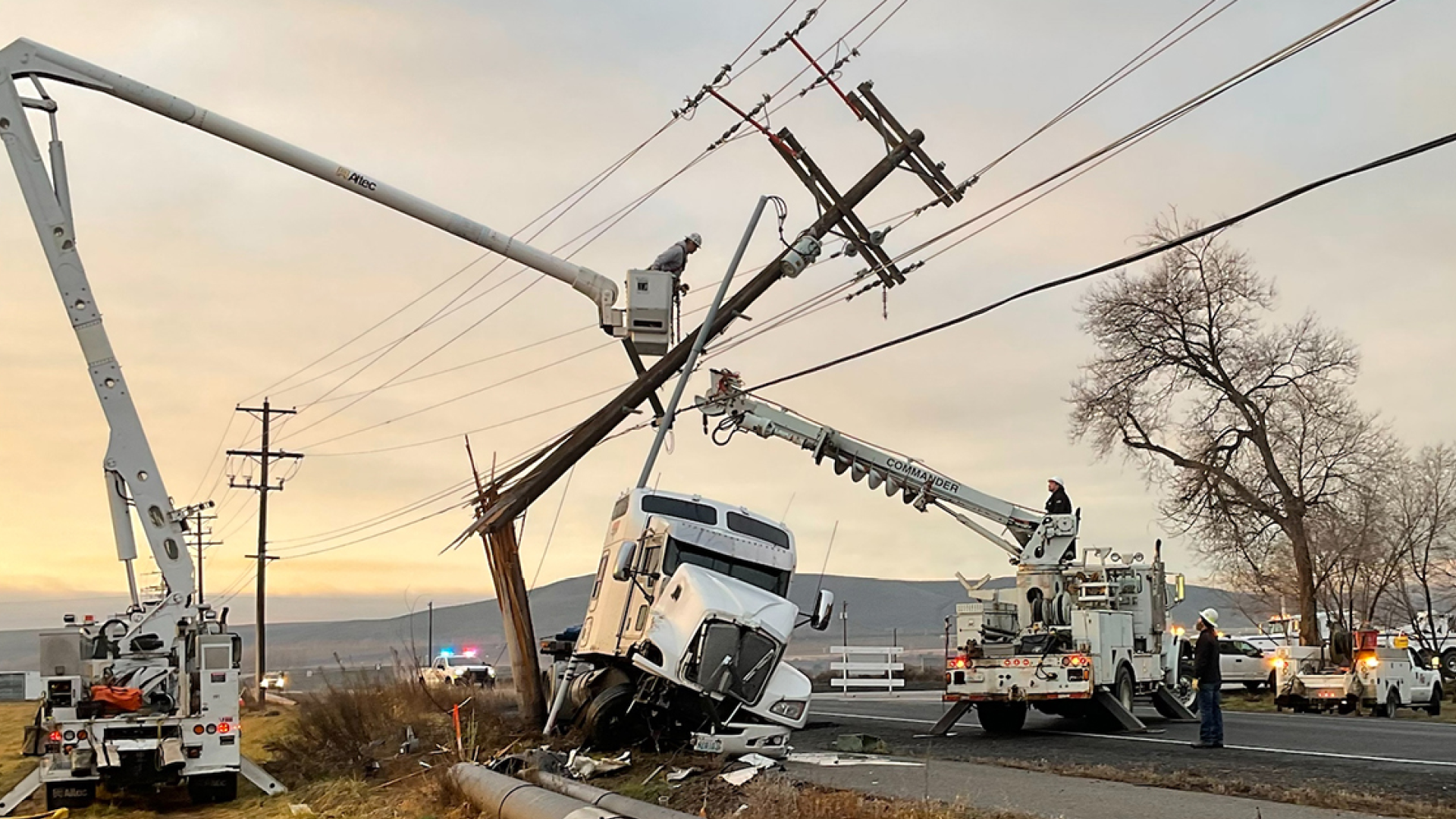
Damage to power lines
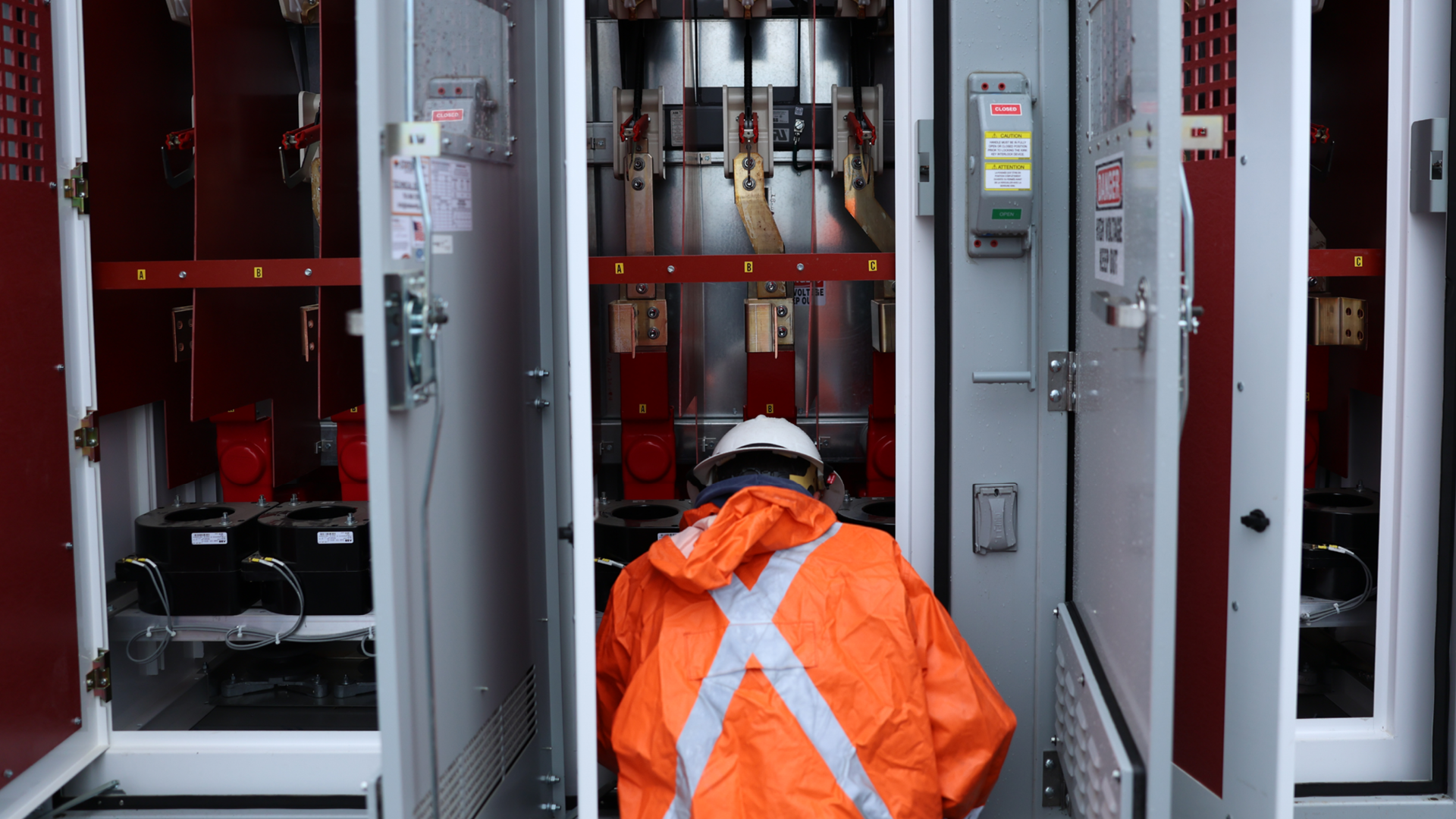
Utility power grid switching
I
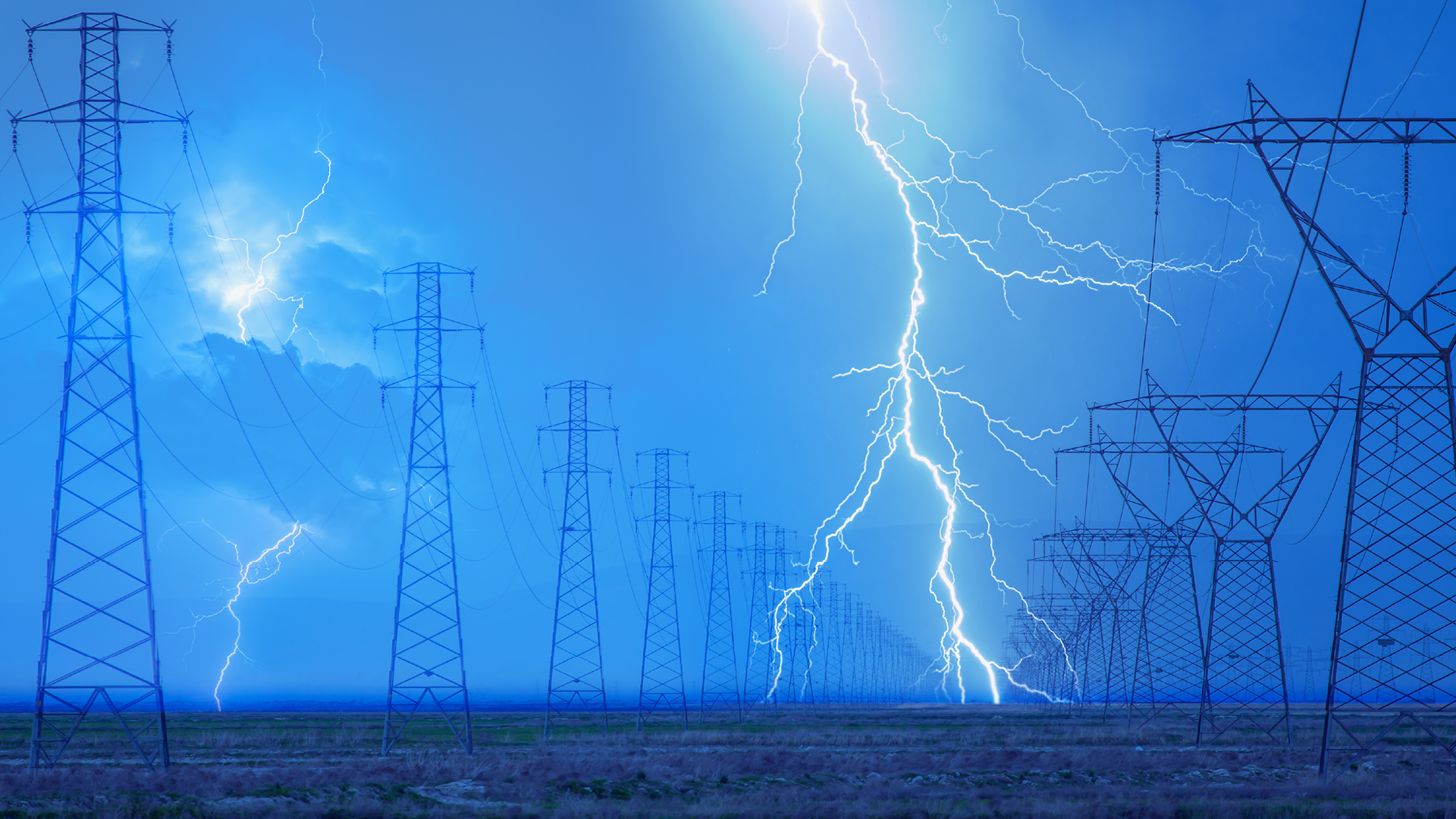
Lightning

Animal or vegetation fault clearing
* Purchasing Guidelines Disclaimer
The information provided by Benton PUD regarding multi-outlet and whole home surge protection devices is intended solely for general guidance and educational purposes.
Benton PUD does not sell, install, endorse, or warrant specific surge protection products, brands, or installation practices. Any product references are for illustrative purposes only and should not be interpreted as recommendations or guarantees of performance, effectiveness, or suitability for individual use.
Customers are solely responsible for the selection, purchase, installation, and maintenance of any surge protection equipment. Benton PUD shall not be held liable for any damages, losses, malfunctions, or equipment failures—whether direct, indirect, incidental, or consequential—that may result from the use, misuse, or failure of any surge protection device, regardless of whether the device was mentioned or discussed by Benton PUD staff or in Benton PUD materials.
For appropriate protection, Benton PUD encourages all customers to consult with a licensed electrician or qualified electrical contractor to assess specific surge protection needs and ensure proper installation.